
What Type of Traveler Are You?
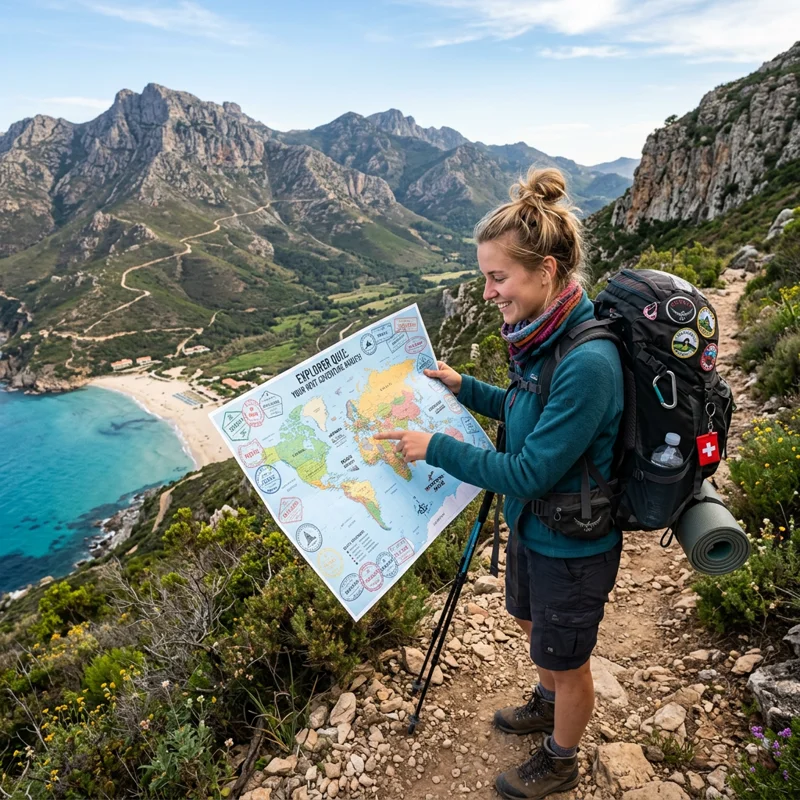
Everyone travels differently - some chase adrenaline on mountain trails, others spend hours in museums, some just want their toes in the sand.
Your travel style reveals a lot about your personality, values, and how you recharge from everyday life.
Take this quiz to discover which type of traveler you truly are - and get some ideas for your next trip.
Key Takeaways
- •Travel personality research shows that people's trip choices correlate strongly with their Big Five personality traits, particularly openness to experience and extraversion.
- •Adventure travelers tend to score higher on sensation-seeking scales and show greater cortisol resilience under novel stress.
- •Cultural tourism is the fastest-growing travel segment globally, driven by travelers seeking authentic local experiences over all-inclusive packages.
- •Slow travel - staying in one place longer rather than hopping between many - is increasingly popular for its depth over breadth.
- •Your travel style can also shift with life stage; solo backpacking in your 20s often gives way to comfort-focused trips in your 40s and beyond.
Why Travel Personality Matters
Choosing the wrong type of trip for your personality is one of the top causes of travel disappointment. The adventurer who books a passive beach resort may return feeling restless; the culture lover who gets dragged on a white-water rafting trip may feel overwhelmed. Knowing your travel type helps you book the right trip the first time - and communicate better with travel companions whose styles differ from yours.
The Four Travel Types
Adventure Seeker: You're happiest when the plan involves risk, physicality, or the unknown. Hiking, scuba diving, skydiving, and remote destinations with uncertain logistics are your element. You want a story to tell, not a pool to lounge by.
Culture Vulture: You travel to learn. Museums, historical sites, local food, language immersion, and meeting people are your priorities. You'd rather spend three hours in a local market than on a beach, and you always come home with a reading list.
Beach Bum: You travel to decompress. Sun, water, good food, and zero agenda are the dream. You're not lazy - you're intentionally slow. Rest is your luxury, and you return from trips genuinely restored.
Luxury Traveler: You believe travel is an experience to be curated. Fine accommodations, premium dining, exclusive access, and seamless logistics matter to you. You'll spend more for comfort and exclusivity, and you don't apologize for it.
Traveling with Different Types
Mixed travel-type groups are one of the richest causes of travel friction. The adventure seeker and the beach bum may fundamentally want different things every single day. The solution is explicit conversation before the trip: agree on non-negotiables, build in choice days, and give each person one veto. Understanding that no one's travel style is wrong - just different - transforms conflict into compromise.
Frequently Asked Questions
What type of traveler am I? Your travel type is determined by three things: your planning orientation (spontaneous vs. structured), your social preference (solo vs. group), and your destination motivation (adventure vs. culture vs. relaxation). This quiz maps your answers across those dimensions to find your dominant travel style.
What is the best type of travel for introverts? Solo travel or small-group travel to culturally rich destinations (museums, historic sites, natural landscapes) tends to suit introverts best - it allows deep engagement without the social overhead of large tours. Many introverts find travel more restorative than daily life because it removes social obligations while providing rich stimulation.
Is slow travel better than fast travel? Slow travel (fewer destinations, longer stays) consistently produces more meaningful memories and deeper cultural connection, according to travel psychology research. Fast travel (many destinations, short stays) produces more stories but less depth. Which is 'better' depends entirely on what you want from a trip.
Comments
Leave a comment