
Which Breakfast Food Are You?
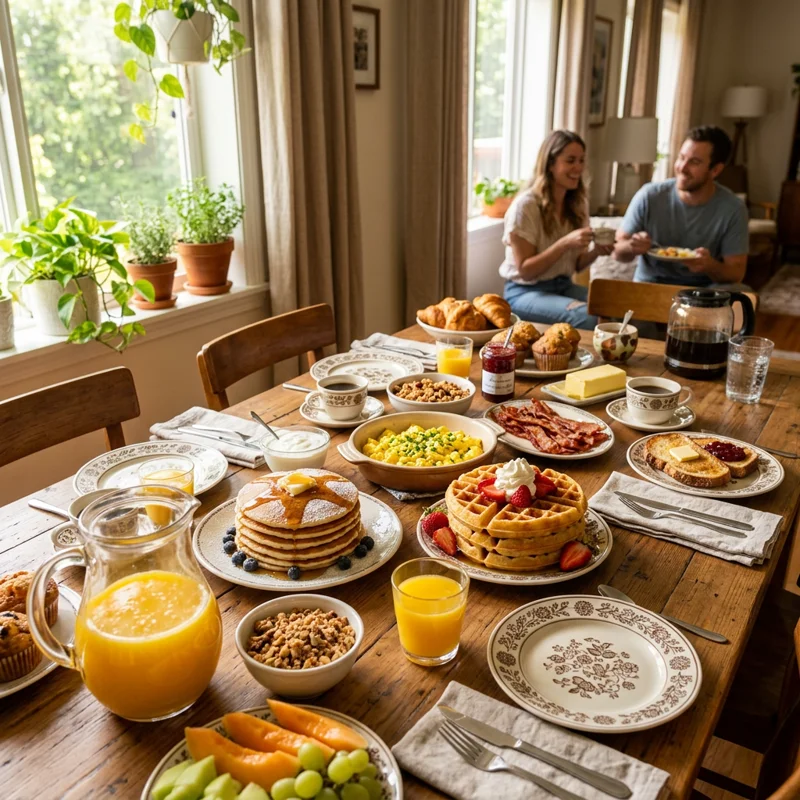
The phrase 'breakfast is the most important meal of the day' was first popularized not by nutritionists but by marketing. John Harvey Kellogg and his rival C.W. Post amplified variations of it in the late 19th century to sell breakfast cereals, and the food industry adopted it widely through the 20th century. The nutritional science, when examined carefully, is considerably more complicated - but the phrase stuck because it was useful to the people selling cereal.
Whatever breakfast's importance nutritionally, it may be the most revealing meal. It's consumed before the day has shaped you - before the meetings, the commute, the social performance. What you choose (or don't) in that early window is close to an unfiltered expression of who you are: your relationship with time, with pleasure, with efficiency, and with ritual.
The origin stories of the breakfast foods in this quiz are worth knowing. Eggs Benedict traces its most popular origin to Lemuel Benedict, a Wall Street broker who ordered it hungover at the Waldorf Hotel in 1894. Avocado toast became a cultural flashpoint in 2016 when Australian demographer Bernard Salt published a column suggesting millennials were spending their house deposits on brunch. Neither story is entirely fair to the food - but both are very revealing about the people who tell them.
Answer these 8 questions to find out which breakfast food you really are.
Key Takeaways
- •Breakfast habits are strongly linked to personality - people who eat structured morning meals score higher on conscientiousness in personality research.
- •The avocado toast became a cultural symbol of millennial food culture after Australian demographer Bernard Salt's 2016 column suggesting millennials were spending their house down payments on brunch.
- •Eggs Benedict was invented in New York City - the most popular origin story credits Lemuel Benedict, a Wall Street broker, who ordered it hungover at the Waldorf Hotel in 1894.
- •The global smoothie market is valued at over $17 billion, driven by health-conscious consumers who prioritize nutrition efficiency in their morning routine.
- •Pancakes appear in almost every global cuisine: American stacks, French crêpes, Japanese soufflé pancakes, Russian blini, Ethiopian injera - the concept is universal.
What Your Breakfast Says About You
Food psychologists have found consistent correlations between morning meal choices and personality. Detail-oriented, structured people tend toward elaborate breakfasts; pragmatic, efficiency-focused people trend toward simple, fast options. Social, creative types lean toward brunch culture; health-focused, disciplined types toward nutrient-dense quick options. Your morning choice, made before the day has fully started, is one of the most authentic expressions of your preferences.
The Psychology of Morning Routines
Research on willpower and decision fatigue suggests that the structure of your morning routine shapes the quality of your decisions for the rest of the day. People who make consistent, low-deliberation choices in the morning (same breakfast, same routine) preserve more cognitive resources for higher-stakes decisions later.
Morning meal timing also correlates with chronotype - your biological predisposition to be a morning person or an evening person. Early risers tend toward structured breakfasts; night owls are more likely to skip breakfast or grab something minimal, not from laziness but from genuine lack of morning appetite.
Cultural context shapes breakfast personality profoundly. The American tradition of sweet breakfast foods (pancakes, cereal, pastries) is relatively unusual globally - most cultures eat savory, protein-forward morning meals. What feels like a personal preference is often a cultural inheritance.
Frequently Asked Questions
What does your breakfast choice say about your personality? Research in food psychology links breakfast choices to personality traits: elaborate, multi-step breakfasts (like Eggs Benedict) correlate with conscientiousness and enjoyment of process; quick, efficient options correlate with pragmatism and goal-focus; social brunch preferences correlate with extraversion and agreeableness.
Is skipping breakfast bad for you? The science is more nuanced than 'breakfast is the most important meal of the day' - a claim that originated in early 20th-century marketing, not research. For people who aren't hungry in the morning, skipping breakfast has not been shown to cause harm. For those who are hungry, breakfast improves morning concentration and energy regulation.
What is the most popular breakfast food in the world? Globally, rice-based breakfasts are the most common (eaten across Asia, Africa, and Latin America). In the United States, eggs are the most consumed breakfast food. Avocado toast became a widely recognized cultural symbol in the 2010s, particularly associated with millennial food culture.
Comments
Leave a comment