
What Sport Fits Your Personality?
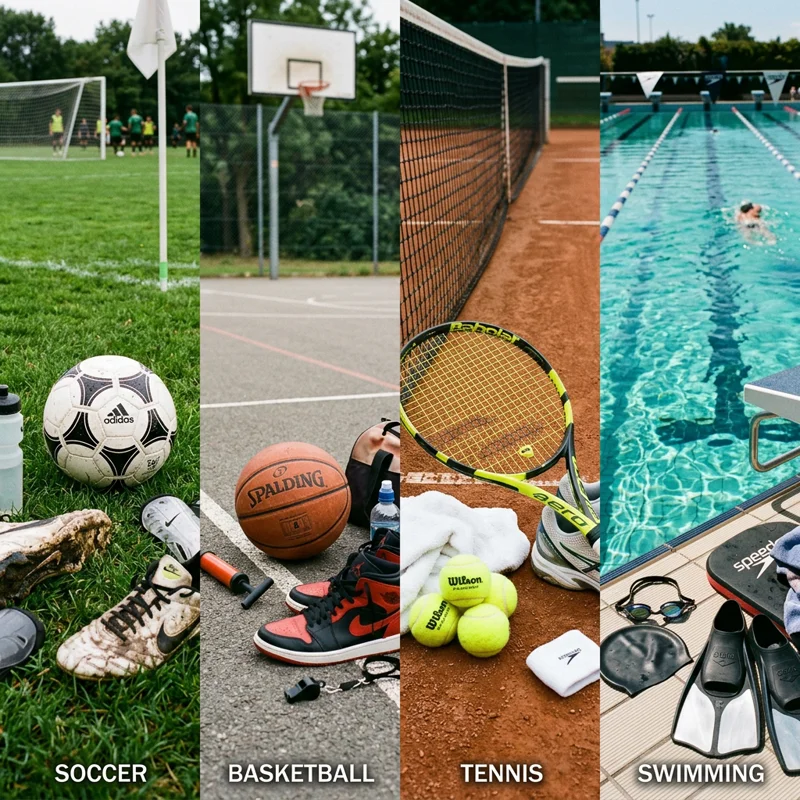
Sport psychology research consistently finds that long-term exercise adherence - actually sticking with a sport for years - is highest when the competitive format matches your personality, not just your fitness level.
Team sport athletes and individual sport athletes score measurably differently on personality dimensions: team players tend higher on extraversion and agreeableness; individual sport athletes tend higher on conscientiousness and independence.
Answer these 10 questions to find out which sport personality type is yours.
Key Takeaways
- •Sport psychology research shows that personality traits - particularly conscientiousness, extraversion, and openness to experience - correlate consistently with sport type preferences.
- •Team sports players tend to score higher on agreeableness and extraversion; individual sport athletes tend to score higher on conscientiousness and independence.
- •Endurance athletes show higher pain tolerance thresholds and tend to score higher on conscientiousness and internal motivation compared to power/sprint athletes.
- •Mental toughness, defined by researchers as the ability to maintain focus and effort under pressure, is measurably different across sport types and trainable.
- •People who find a sport that matches their personality are significantly more likely to maintain exercise habits long-term.
The Four Sport Personality Types
Team Player: You're energized by the collective. A great team win is better than any individual achievement. You read people well, you communicate under pressure, and you're at your best when others are counting on you.
Solo Competitor: You compete best against yourself or directly against one opponent. You're self-motivated, internally focused, and prefer knowing that every result is entirely yours to own.
Endurance Athlete: You're built for the long haul. Sustained effort over time, both mental and physical, is your strength. You find flow in repetition and you're driven by internal benchmarks more than external competition.
Strategy Sport: Your edge is in your mind. You see patterns, plan several moves ahead, and win through preparation and analytical thinking as much as physical execution.
How to Actually Find Your Sport as an Adult
Most adults who 'don't exercise' don't dislike exercise - they dislike the wrong kind of exercise. Someone with a strategy-sport personality forced into a group fitness class will feel out of place; the same person at a chess club, fencing class, or in a tennis league will flourish.
Sport psychology research consistently shows that adherence - actually sticking with an activity long-term - is the strongest predictor of fitness outcomes, and adherence is highest when the activity matches both personality and social preferences.
The practical question isn't 'what sport should I do?' but 'what kind of competitive experience do I want to have?' Team players should look for recreational leagues, group fitness, or contact sports. Solo competitors thrive in martial arts, swimming, running, or individual sport training. Endurance personalities should explore distance running, cycling, rowing, or triathlon. Strategy types often flourish in racket sports, climbing, or tactical team sports like basketball.
Frequently Asked Questions
What sport is best for my personality? Research suggests team-oriented people (high extraversion, agreeableness) thrive in team sports; independent, self-driven people succeed in individual sports; detail-oriented, analytical people tend to excel in strategy or racket sports. This quiz maps those traits to sport categories to help you find your best fit.
Can adults get good at a sport they didn't play as kids? Yes - and the research is encouraging. While some sports have skill ceilings that are easier to reach when starting young, most recreational and fitness sports reward consistent adult practice. Martial arts, tennis, cycling, swimming, and golf all have large communities of adults who started as beginners after 30.
What sport is best for mental health? Systematic reviews show that both aerobic exercise (running, cycling, swimming) and social team sports produce significant reductions in depression and anxiety symptoms. Team sports may have a slight edge for social wellbeing; endurance sports for stress reduction and mood regulation.
Comments
Leave a comment