Do I Have Depression?
By Free Quiz Me Editorial Team · Updated June 2025
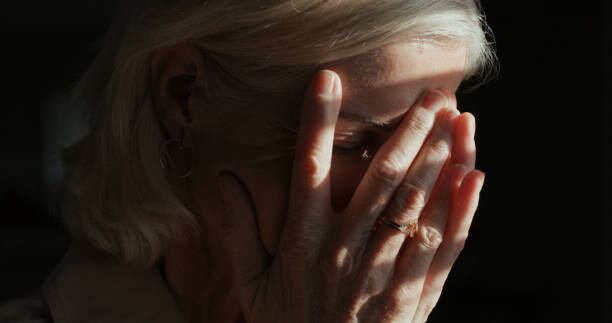
Depression is one of the most common mental health conditions in the world, affecting how you feel, think, and handle everyday activities — and it can look very different from person to person.
For entertainment and general awareness only. This quiz is not a medical assessment and cannot diagnose any condition. If you have concerns about your health or mental well-being, please consult a qualified healthcare professional.
This self-assessment explores common symptoms of depression to help you better understand your emotional health and whether speaking with a professional might be a helpful step.
This quiz is for general awareness only and is not a substitute for a professional diagnosis.
Key Takeaways
- •The World Health Organization estimates over 280 million people worldwide live with depression — making it the leading cause of disability globally.
- •Depression is twice as common in women as in men, though men are significantly less likely to seek help or receive a diagnosis.
- •The DSM-5 criteria for Major Depressive Disorder require at least five persistent symptoms lasting two weeks or more.
- •Untreated depression is a major risk factor — the most important reason to seek professional evaluation rather than relying on self-assessment.
- •Effective treatments exist: a combination of therapy (especially CBT) and medication helps approximately 80–90% of people with depression.
Depression Self-Assessment Quiz
Depression is a common mental health condition that affects millions of people worldwide. It goes beyond the occasional feeling of sadness and can significantly impact your daily life, affecting your thoughts, emotions, and physical well-being. This quiz is designed to help you assess whether you may be experiencing symptoms of depression, providing insight into your mental health and guiding you toward further support if needed.
What is Depression?
Depression is a mood disorder characterized by persistent feelings of sadness, hopelessness, and a lack of interest in activities that you once enjoyed. It can affect how you think, feel, and handle daily tasks, making it difficult to carry out your normal routine. Depression can occur at any age and can be triggered by various factors, including life events, genetics, and other underlying health conditions.
Symptoms of Depression
Symptoms of depression can vary from person to person, but common signs include:
These symptoms can range from mild to severe and may develop gradually over time.
- •Persistent sadness or low mood
- •Loss of interest in hobbies or activities
- •Fatigue or lack of energy
- •Difficulty concentrating or making decisions
- •Changes in appetite or weight
- •Feelings of worthlessness or excessive guilt
- •Sleep disturbances, such as insomnia or oversleeping
- •Thoughts of self-harm or suicide
What Causes Depression?
The exact cause of depression is not fully understood, but it is believed to result from a combination of genetic, biological, environmental, and psychological factors. Some common contributors include:
- •Genetics : A family history of depression can increase your risk.
- •Brain Chemistry: Imbalances in neurotransmitters, the chemicals that affect mood, can play a role.: Imbalances in neurotransmitters, the chemicals that affect mood, can play a role.
- •Life Events : Traumatic or stressful events, such as the loss of a loved one, financial difficulties, or relationship issues, can trigger depression.
- •Medical Conditions : Chronic illnesses, hormonal changes, or substance abuse can also contribute to the development of depression.
How is Depression Treated?
Depression is treatable, and many people who seek help experience significant improvement. Treatment options include:
- •Therapy : Cognitive-behavioral therapy (CBT), psychotherapy, and counseling can help address negative thought patterns and provide coping strategies.
- •Medication : Antidepressants can help balance brain chemistry and alleviate symptoms.
- •Lifestyle Changes : Regular exercise, a healthy diet, sufficient sleep, and stress management techniques can support mental health.
- •Support Systems : Connecting with friends, family, or support groups can provide emotional support and encouragement.
Key Points to Remember
Taking this quiz is a first step toward understanding your mental health. If your results indicate signs of depression, consider reaching out to a healthcare provider for a more in-depth assessment and support.
- •Depression is a serious mental health condition that affects how you think, feel, and function.
- •Symptoms can range from mild to severe and include persistent sadness, fatigue, and loss of interest in activities.
- •Depression can be caused by a combination of genetic, biological, environmental, and psychological factors.
- •Treatment options, such as therapy, medication, and lifestyle changes, can help manage and alleviate symptoms.
What the science says
The WHO estimates over 280 million people worldwide live with depression. Research consistently shows that the combination of psychotherapy — particularly cognitive behavioral therapy — and antidepressant medication is significantly more effective than either treatment alone for moderate to severe depression.
If you are concerned about your mental health, a licensed clinician can provide a proper assessment and support your path to feeling better.
Sources: WHO: Depression · NIMH: Depression